
Motor travel is one of the most popular ways to explore new places. Traveling by car, motorcycle, or van gives you freedom, flexibility, and control over your journey. You can choose your route, stop whenever you like, and experience destinations at your own pace. This motor travel guide explains how to plan a safe and enjoyable road trip from start to finish.
Why Motor Travel Is a Popular Choice
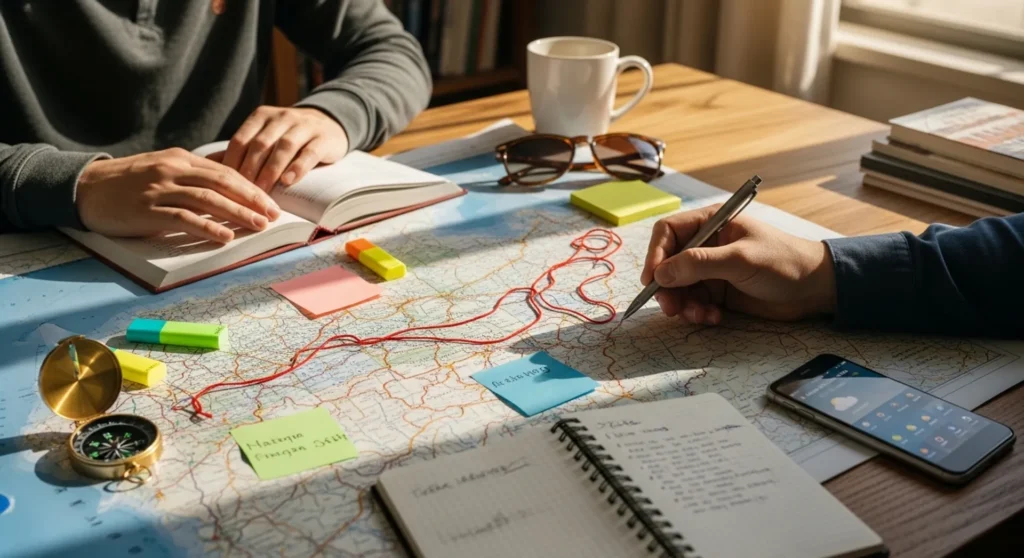
Many travelers prefer motor travel because it allows them to explore areas that are not easily reached by public transport. Scenic roads, small towns, and natural attractions are often best discovered by road.
Motor travel also offers flexibility. You can change your plans, take detours, or extend your stay in places you enjoy. This freedom makes road trips appealing for both short and long journeys.
Choosing the Right Destination
Before starting your trip, decide where you want to go and how far you want to travel. Some travelers enjoy long-distance routes, while others prefer shorter trips with frequent stops.
When choosing a destination, consider road conditions, travel time, weather, and fuel availability. A realistic plan helps avoid stress and keeps the journey enjoyable.
Planning Your Route
Route planning is an important part of motor travel. A good route balances driving time with rest, sightseeing, and meals.
Use maps or navigation apps to review different route options. Look for scenic roads, rest areas, and towns where you can stop safely. Always allow extra time for unexpected delays.
Preparing Your Vehicle
A well-prepared vehicle is essential for safe motor travel. Before departure, check that your vehicle is in good condition.
Important vehicle checks include:
- Tire pressure and tread condition
- Engine oil and fluid levels
- Brake performance
- Battery condition
- Headlights, indicators, and brake lights
Regular maintenance reduces the risk of breakdowns during your trip.
Emergency Equipment to Carry
Even with proper preparation, emergencies can happen. Carrying basic safety equipment can make a big difference.
- Spare tire and jack
- First-aid kit
- Warning triangle or reflective vest
- Flashlight
- Basic tools
These items improve safety if you experience a breakdown or roadside issue.
Packing for a Road Trip
Packing the right items helps make your journey comfortable. Bring only what you need and organize items so they are easy to access.
Essential travel items include:
- Navigation tools or offline maps
- Phone chargers and power banks
- Drinking water and snacks
- Weather-appropriate clothing
- Personal documents
A clean and organized vehicle reduces distractions while driving.
Staying Safe on the Road
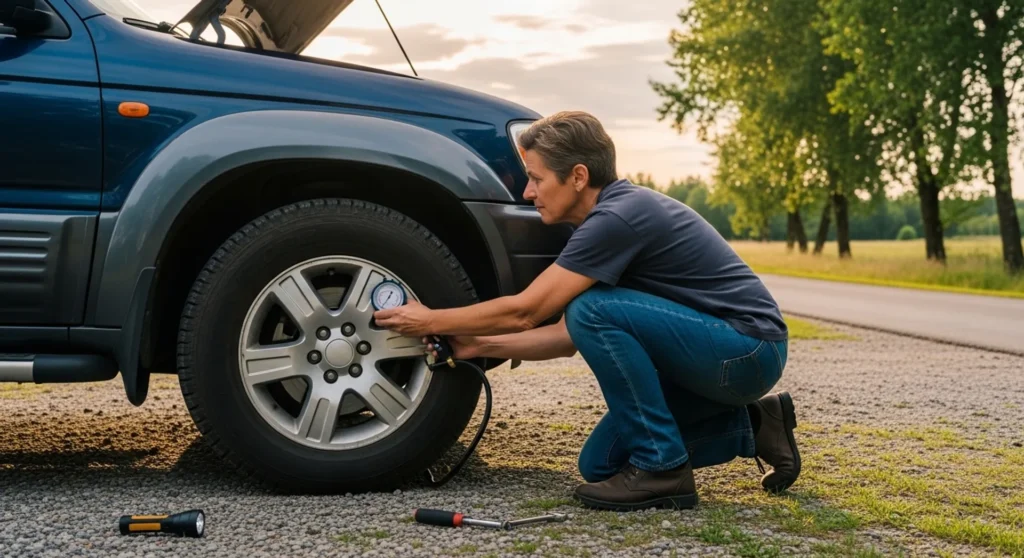
Safety should always be the top priority during motor travel. Long hours of driving can cause fatigue and reduce concentration.
To stay safe:
- Take breaks every two to three hours
- Do not drive when tired
- Follow speed limits and road rules
- Adjust driving for weather conditions
- Avoid using mobile devices while driving
Alert drivers are better able to react to changing road conditions.
Managing Fuel and Rest Stops
Running out of fuel can quickly disrupt a road trip. Monitor fuel levels and refuel before entering remote areas.
Plan regular rest stops to stretch, eat, and stay refreshed. Short breaks help maintain focus and reduce driver fatigue.
Choosing Accommodation
Motor travelers have many accommodation options, including hotels, motels, campgrounds, and roadside inns.
Some travelers book accommodation in advance, while others prefer flexibility. Booking at least the first night can reduce stress, especially after long driving days.
Using Technology During Motor Travel
Technology can improve the road trip experience when used safely. Navigation apps provide traffic updates, route changes, and nearby services.
Music, podcasts, and audiobooks help make long drives more enjoyable. Always set up devices before driving to avoid distractions.
Solo Travel vs Group Travel
Motor travel can be enjoyed alone or with others. Solo travel offers independence and flexibility, while group travel provides shared experiences and support.
Group travel allows drivers to share driving duties and costs. Solo travelers enjoy full control over schedules and destinations.
Handling Unexpected Situations
Unexpected events such as bad weather, road closures, or vehicle problems can occur during any road trip.
Stay flexible and keep emergency contact numbers available. A calm approach helps resolve problems more easily.
Making the Journey Enjoyable
Motor travel is about more than reaching a destination. The journey itself is an important part of the experience.
Take time to explore local attractions, enjoy scenic views, and interact with people along the way. These moments often become the most memorable parts of the trip.
Final Thoughts on Motor Travel
Motor travel offers freedom, adventure, and discovery. With proper planning, vehicle preparation, and a focus on safety, road trips can be both enjoyable and rewarding.
This motor travel guide provides a practical foundation for planning a safe and memorable journey on the road.